Many people who worked alongside E Tū Whānau founding kaiwhakahaere Ann Dysart remember a phrase she often returned to:
“Measure. Measure. Measure.”
Ann understood that if E Tū Whānau was to support positive change for whānau and communities, it also needed to learn from that change. She also knew that collecting evidence in community settings is not always straightforward, but believed it was important to understand how change happens, what supports it, and what communities themselves value and aspire to.
That commitment to learning sits at the heart of E Tū Whānau Evaluation 2025.

Undertaken by a team of independent researchers, evaluators and kaupapa Māori experts, the evaluation explored how transformation happens within whānau and communities, and how E Tū Whānau contributes to that journey. Using He Awa Whiria, or Braided Rivers, the evaluation brought together kaupapa Māori and Western thinking and knowledge to better understand the experiences, perspectives and insights of people involved in the E Tū Whānau movement across Aotearoa.
Using kaupapa Māori measures of success and He Awa Whiria as a methodology enabled E Tū Whānau Evaluation 2025 to explore not only outcomes, but also how change is understood and experienced within communities.
In doing so, the evaluation contributes to wider conversations about wellbeing, violence prevention, community leadership, and the role of culture, belonging and connection in helping whānau and communities thrive.
What communities told us
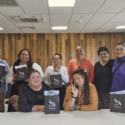
At the centre of the evaluation were the experiences and perspectives of whānau, kahukura, community partners and E Tū Whānau kaimahi, and we thank them for sharing their time, experiences and knowledge. We also acknowledge the external researchers and evaluators for their significant mahi helping to enrich our understanding of how communities support wellbeing and positive change.
Across different communities, participants spoke about healing, reconnection and growth. Many described stronger relationships with their whānau and hapori, renewed confidence, deeper connections to culture and identity, and greater hope for the future.
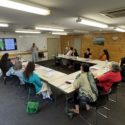
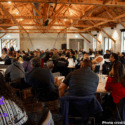
Collective, safe spaces such as wānanga featured strongly throughout the evaluation. Participants described these as spaces where people connect, learn, heal, support one another and grow.
Together, these experiences provide insight into the ways communities support wellbeing and positive change.
E Tū Whānau Evaluation 2025 – Learning alongside hapori
The evaluation found evidence that strengthening wellbeing, relationships, belonging, cultural identity, leadership and community connections helps create the conditions that support safer and healthier whānau.
Participants described benefits extending beyond violence prevention, including increased confidence, leadership development, stronger community participation and opportunities for personal and collective growth.
“What stands out is the importance of relationships, connection and collective spaces where people can come together, learn from one another and support positive change. This is what E Tū Whānau communities have spoken about for many years, and it’s encouraging to see it reflected through this evaluation.”
Heni Turner, National Manager E Tū Whānau
The role of kahukura and community leadership
A key theme emerging from the evaluation was the importance of local leadership.
Participants spoke of the role of kahukura in bringing people together, encouraging others, modelling positive values and helping create opportunities for leadership within their communities.
The evaluation also highlighted the contribution of E Tū Whānau kaimahi in building trusted relationships, supporting community partners and strengthening connections across communities.
Together, kahukura, community partners and kaimahi help support locally led responses that reflect the strengths, values and aspirations of their communities.
Looking ahead
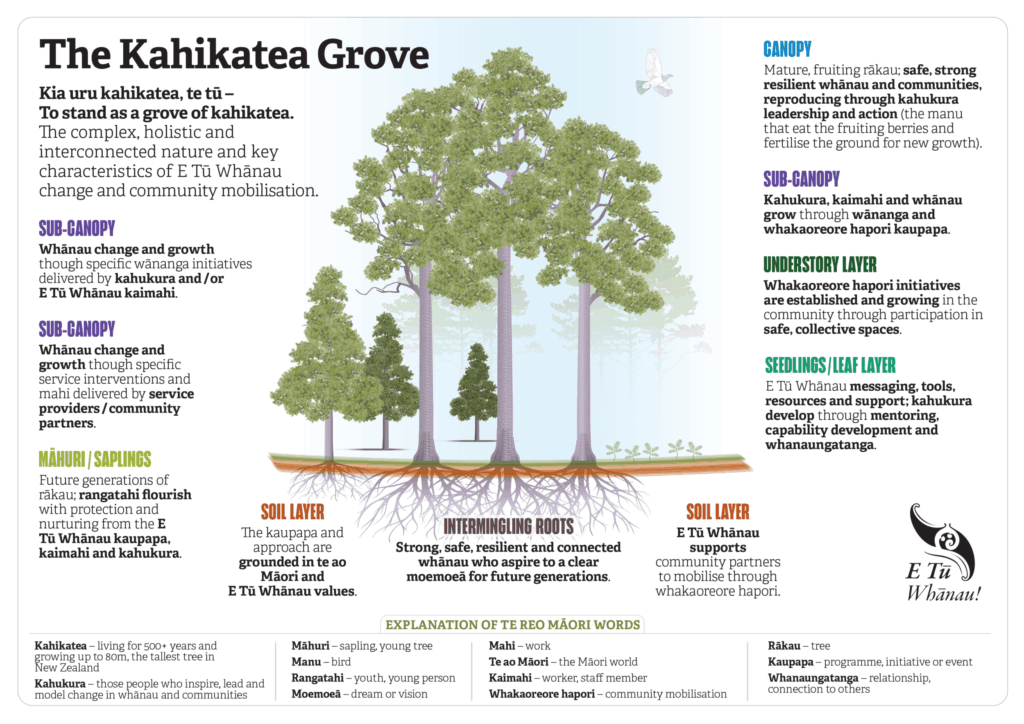
Kia uru kahikatea, te tū.
To stand as a grove of kahikatea.
Like the kahikatea, whose roots are interconnected beneath the forest floor, the strength of E Tū Whānau lies in whanaungatanga, shared purpose and collective effort.
E Tū Whānau Evaluation 2025 deepens our understanding of the relationships, environments and approaches identified by hapori as helping whānau and communities flourish.
Most importantly, it reminds us that meaningful change is often nurtured through people supporting one another, hapori leading in ways that reflect their own strengths and aspirations, and whānau working together towards positive futures for the next generation.