Mā mua ka kite a muri, mā muri ka ora a mua.
Those who lead give sight to those who follow, those who follow give life to those who lead.
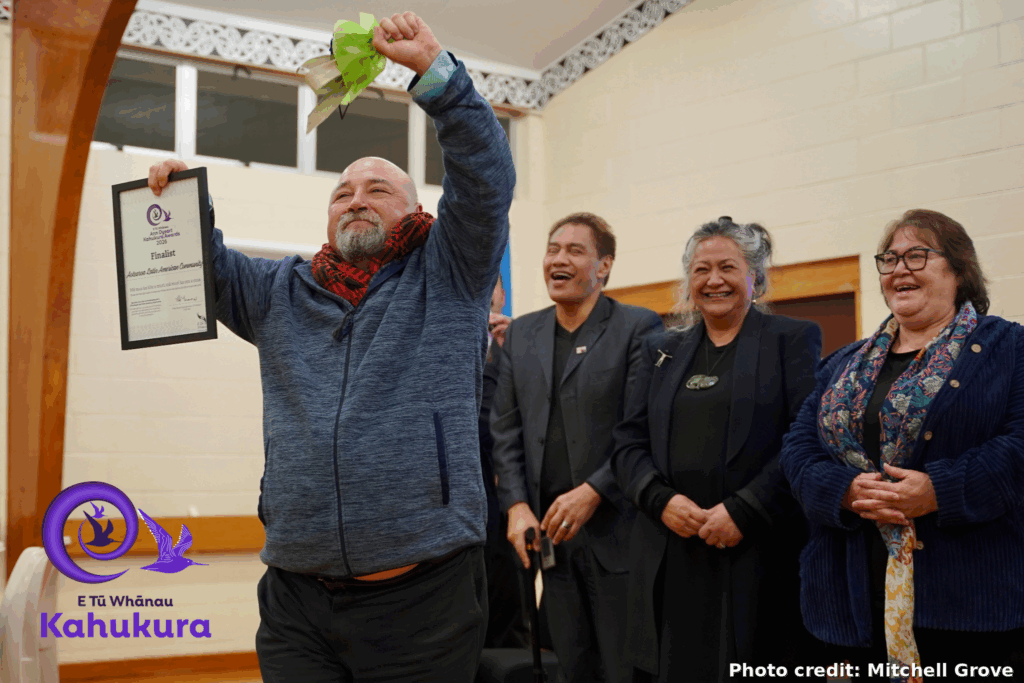
Aotearoa Latin American Community (ALAC) was one of nine finalists in the E Tū Whānau Ann Dysart Kahukura Award 2026, recognised for their leadership and support of former refugees and migrant whānau building new lives, strong connections and a sense of belonging in Aotearoa.
Building belonging through community and culture
For the last 30 years, Auckland’s Aotearoa Latin American Community has helped build connections across cultures, bringing people together through shared experiences, mutual support and a strong commitment to community leadership.
“The mahi our ALAC whānau do comes from lived experience. They understand the journey, not just from textbooks or social media, but from real life.”
Jenny Janif, E Tū Whānau kaimahi
Founded by refugees who fled Chile’s Pinochet dictatorship, ALAC grew from a shared determination to support Spanish and Portuguese-speaking whānau from South America navigating the challenges of settling in a new country. Three decades later, that same commitment continues to guide its mahi.
Through cultural events, community programmes, advocacy, and wraparound support services, ALAC creates meaningful opportunities for people from all backgrounds to come together, celebrate their heritage, and build lasting connections.
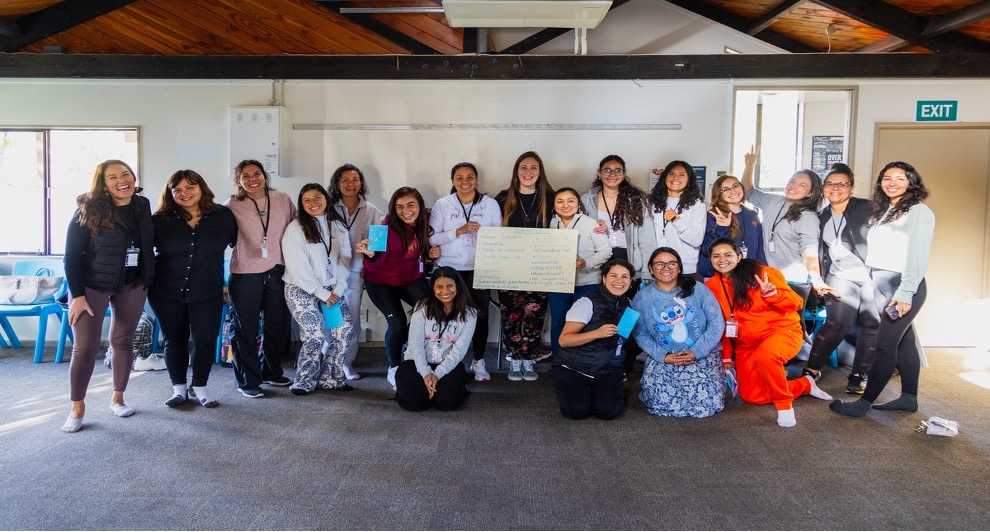
Over three decades, ALAC has developed a wide range of services that support people to settle, connect and thrive. These include advocacy, counselling, education, health and wellbeing services, as well as programmes that empower women, young people, whānau and neurodiverse tamariki.
Their initiatives reflect the richness and diversity of the communities they serve, from support for whānau with neurodiverse tamariki and Spanish-language publishing, through to football programmes that bring together young people from different cultures and backgrounds.
One of their most innovative projects is the recently launched, ALAC-Connect. This is a case management and clinical intelligence platform supporting community and social service organisations by improving operational efficiency, regulatory compliance, and integrated care coordination.
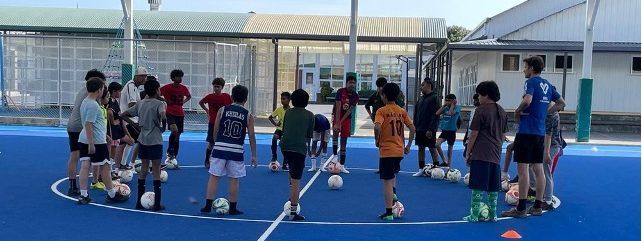
ALAC – Creating a sense of home in Aotearoa
ALAC whānau have deep respect for te ao Māori and a fundamental belief in social justice and wellbeing for all. They’re always open to supporting and working alongside like-minded groups from across New Zealand society.
They’re proud of their cultures and the country where they have built new lives, but equally committed to creating spaces where people from refugee and migrant backgrounds can connect, build confidence and feel a genuine sense of belonging.
What distinguishes ALAC is not simply the range of services it provides, but the way it brings people together. Through culture, language, shared experiences and community leadership, it creates spaces where people feel seen, valued and connected.
ALAC is living proof that whānau from diverse refugee and migrant backgrounds can once again feel at ‘home’, connected and confident about their futures in Aotearoa.
For ALAC, belonging begins with understanding people’s lived experiences.